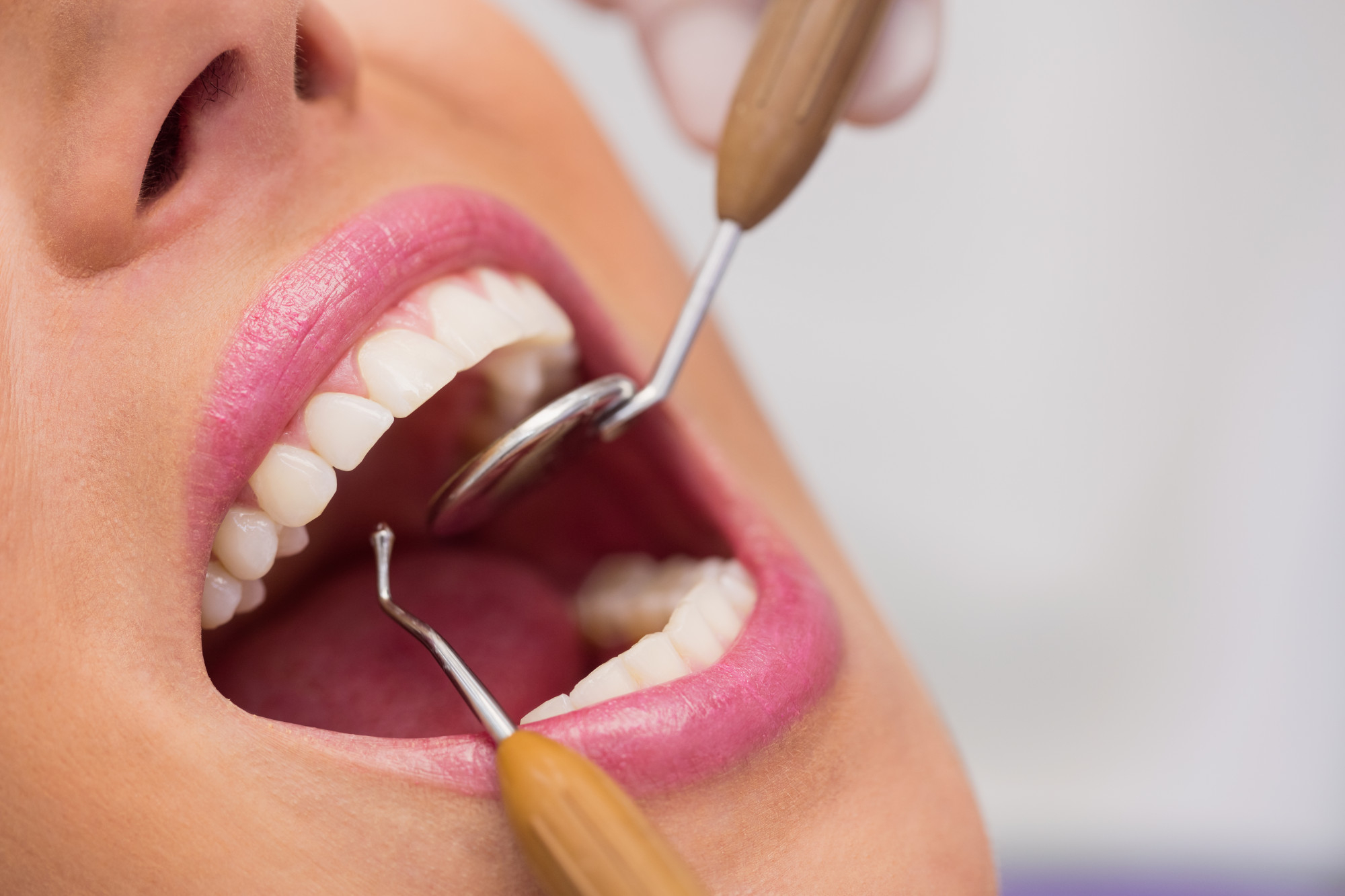
A Common Misconception - Teeth Are Not Alive
People often wonder, “How does a tooth get an infection if it is not alive?” The misconception that teeth are not alive leads to confusion about how teeth become infected. Because we cannot feel sensation in healthy teeth, many people assume that teeth are not alive.
In fact, most of the structures that make up teeth are living cells. Similar to hair and fingernails, there is a part of the tooth that is not alive — this part is called enamel. Enamel is made of calcium phosphate, a very hard mineral that is ideal for breaking down food when you eat. All the living components are located beneath the enamel.
Teeth are vital, living extensions of your body. They are subject to the same metabolic processes that affect other organs. This is why dentists and doctors can learn a great deal about your overall health by examining your teeth, tongue, eyes, fingernails, hair, and skin.
Like other organs, teeth have a supply of nerves and blood vessels. This blood flow helps teeth grow and mature before they emerge in the mouth.

Bacteria cannot reach the living cells inside a tooth unless the tooth is cracked due to injury or decay. In most cases, decay creates a pathway for bacteria to enter the innermost part of the tooth, causing infection of the living tissues.
Once a tooth is fully developed and in its normal position in the jaw, it does not require nerves and blood vessels to remain functional. This is why a tooth that has undergone root canal treatment can remain in a person’s mouth for a lifetime and continue to function in chewing, eating, and speaking. After root canal treatment, the tooth is no longer alive, but it can still remain in the mouth and perform its function.
Learning about your teeth can be fun, and taking care of them can make a big difference. You have thirty-two little living structures in your mouth — make sure you take good care of them!