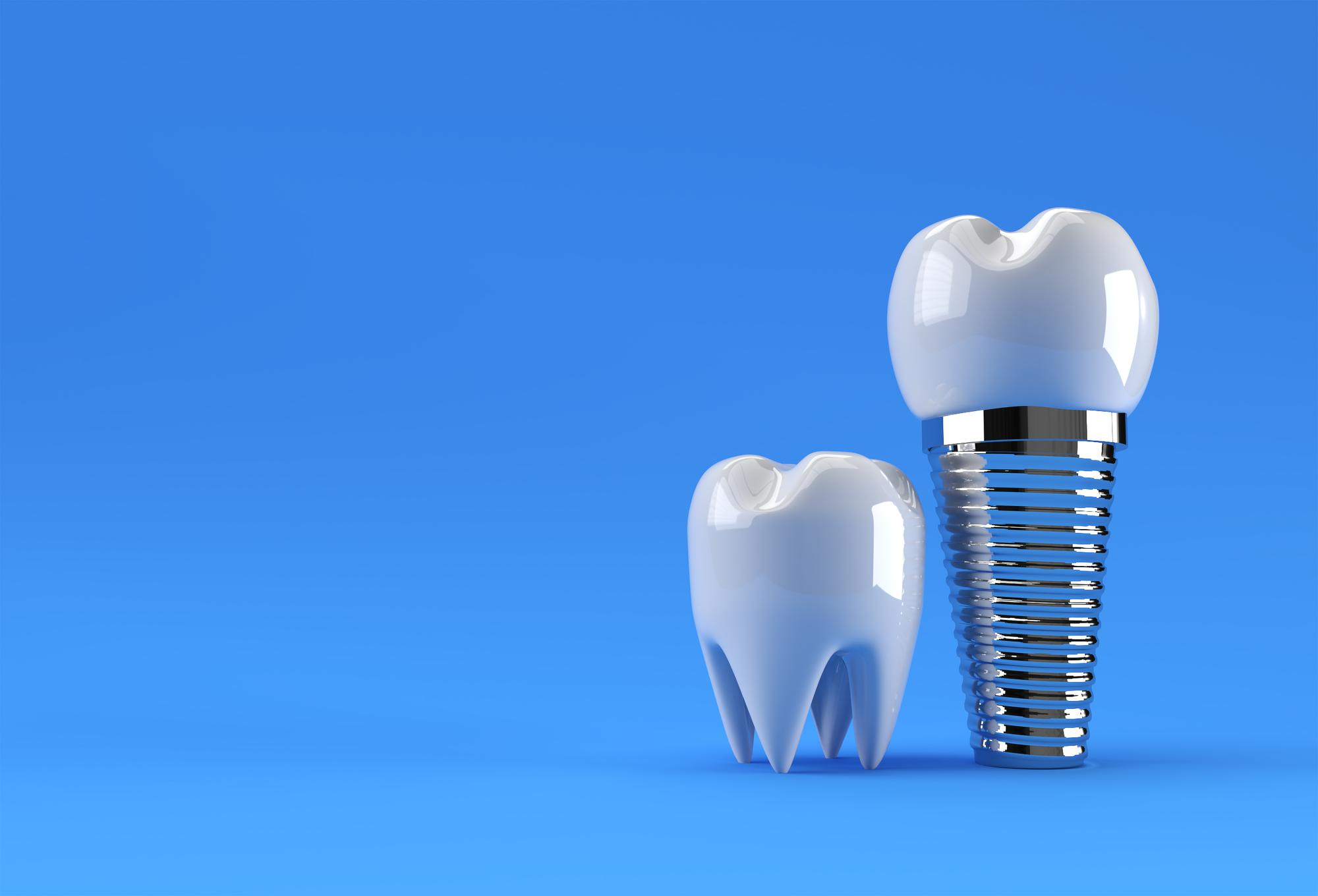
Dental Implants
Your teeth are designed to last a lifetime, but sometimes they don’t. Replacing missing teeth is important for your general health and for the health of your remaining teeth. Not only do you lose chewing ability when a tooth is lost, but unreplaced teeth can cause other teeth to be lost, tipped, or crowded, creating further problems.
There are also obvious issues relating to appearance and loss of self-esteem caused by one or more missing teeth. Dental implants should always be considered as an option to replace a failing or missing tooth.
The replacement of lost teeth with dental implants has been used for more than 50 years and is recognised as an effective treatment option. Treatment with dental implants is considered more predictable than bridgework, resin-bonded bridges, and endodontic treatment.
Dental implants are an excellent solution for the millions of people who have permanently lost a single tooth or multiple teeth, as well as for those who use dentures. Made from materials that are compatible with human bone and tissue, dental implants provide artificial teeth that look natural and feel secure. They can also be used to support full or partial dentures.
- Restoring normal chewing and speaking functions
- Eliminating irritated and painful gums, as well as damaging pressure on remaining natural teeth caused by dentures
- Helping to stop progressive bone loss and shrinkage of the jawbone by “mimicking” the roots of natural teeth.
- Increasing your confidence by replacing teeth that will not move or loosen and that have the same look, feel, and function as natural teeth.
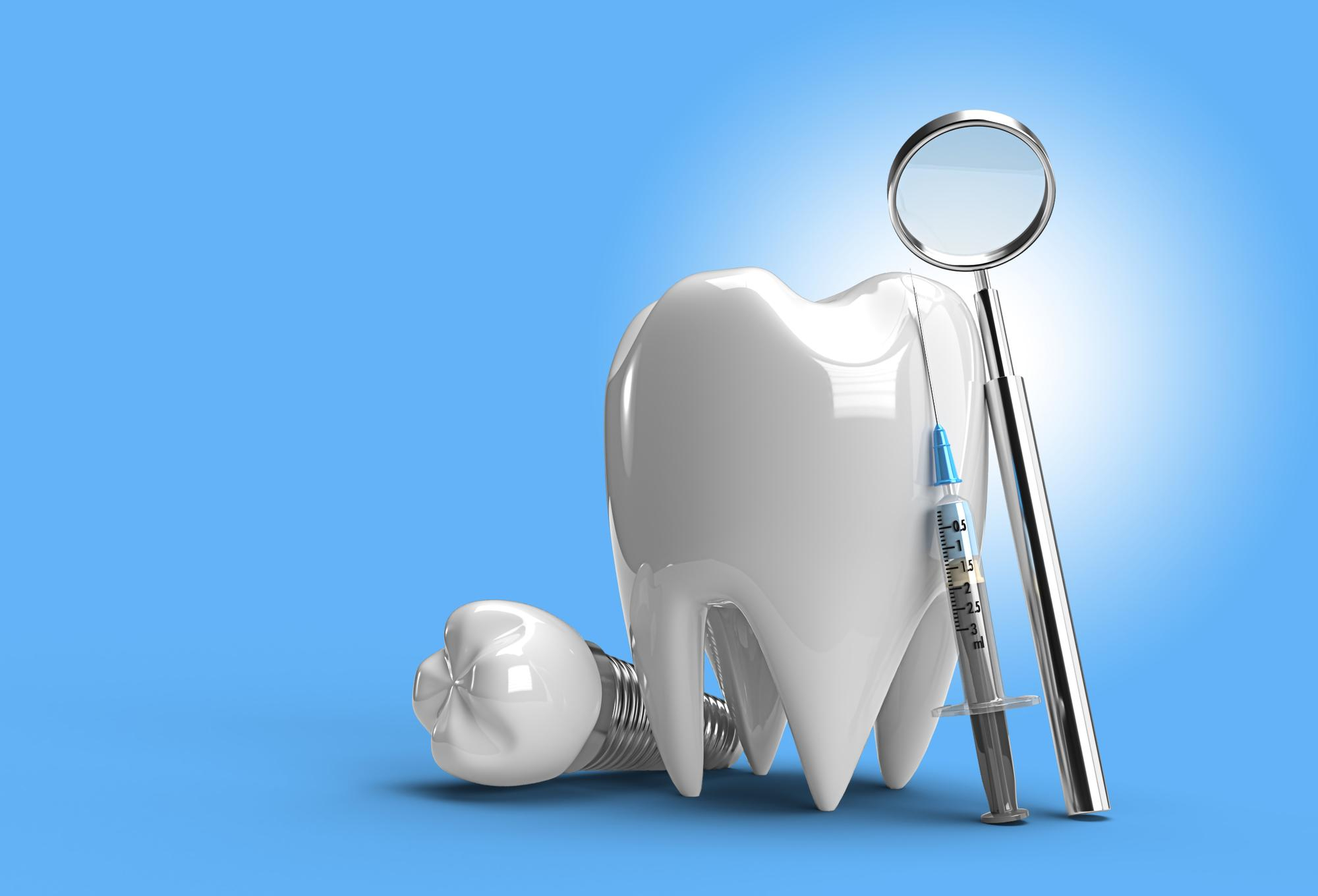

Dental implants offer many advantages over conventional dentures and bridges, which are often uncomfortable and, due to slipping or clicking, can limit a person’s ability to speak and eat normally. As a result, many people feel self-conscious wearing dentures. Dental implants can greatly enhance a person’s quality of life by providing the following:
Dental implants prevent bone loss
A major benefit of dental implants is that they help prevent bone loss. The jawbone requires pressure from chewing in order to maintain its density, and in the absence of a tooth, it will begin to deteriorate. In fact, during the first year after a tooth is lost, the bone can lose up to 25% of its volume, and this process will continue for as long as the tooth remains unreplaced by an implant.
Traditional dentures and bridges can actually worsen bone loss because they do not stimulate the bone. In contrast, implant-supported dentures and bridges act like natural teeth and provide the pressure necessary to maintain bone density.
implants can greatly enhance a person’s quality of life by providing the following:
- Restoring normal chewing and speaking functions
- Increasing your confidence by replacing teeth that will not move or loosen and that have the same look, feel, and function as natural teeth.
- Eliminating irritated and painful gums, as well as damaging pressure on remaining natural teeth caused by dentures
- Helping to stop progressive bone loss and shrinkage of the jawbone by “mimicking” the roots of natural teeth.
you have any specific questions about dental implants, please fill in our online contact form or call us on 123 456 7890. Alternatively, use our online appointment booking tool to meet with one of our dentists